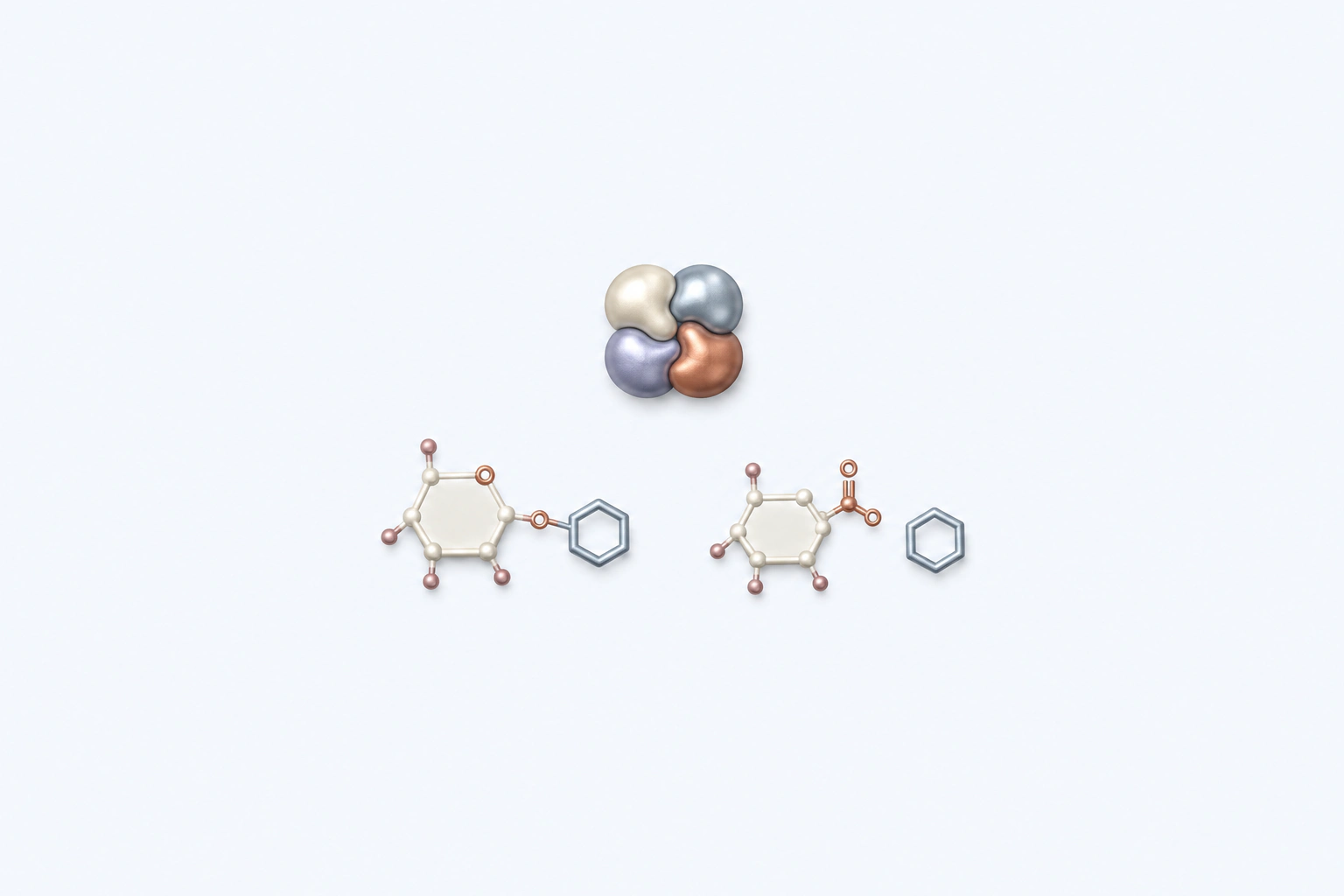
Beta-glucuronidase (β-glucuronidase, EC 3.2.1.31) is an enzyme that catalyzes the hydrolysis of glucuronidated compounds, cleaving the β-1,4-glycosidic bond between a sugar and a glucuronic acid group. In the microbiome, beta-glucuronidase is the key enzyme of the estro…
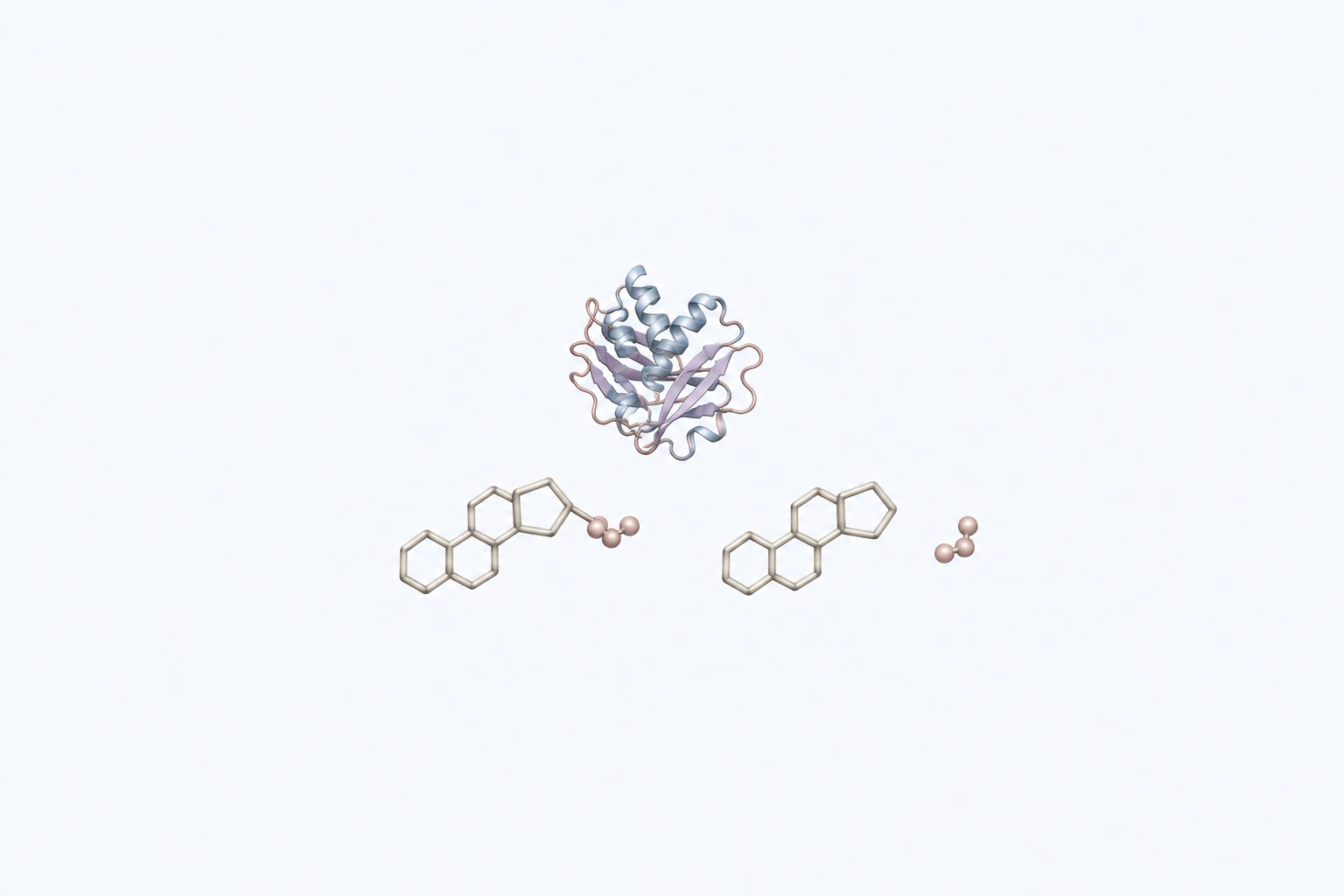
Bile salt hydrolase (BSH) is the microbial enzyme that deconjugates primary bile acids (taurocholate, glycocholate) by cleaving the amino acid (taurine or glycine) from the steroid core. This is the first and rate-limiting step in microbial bile acid transformation — wi…
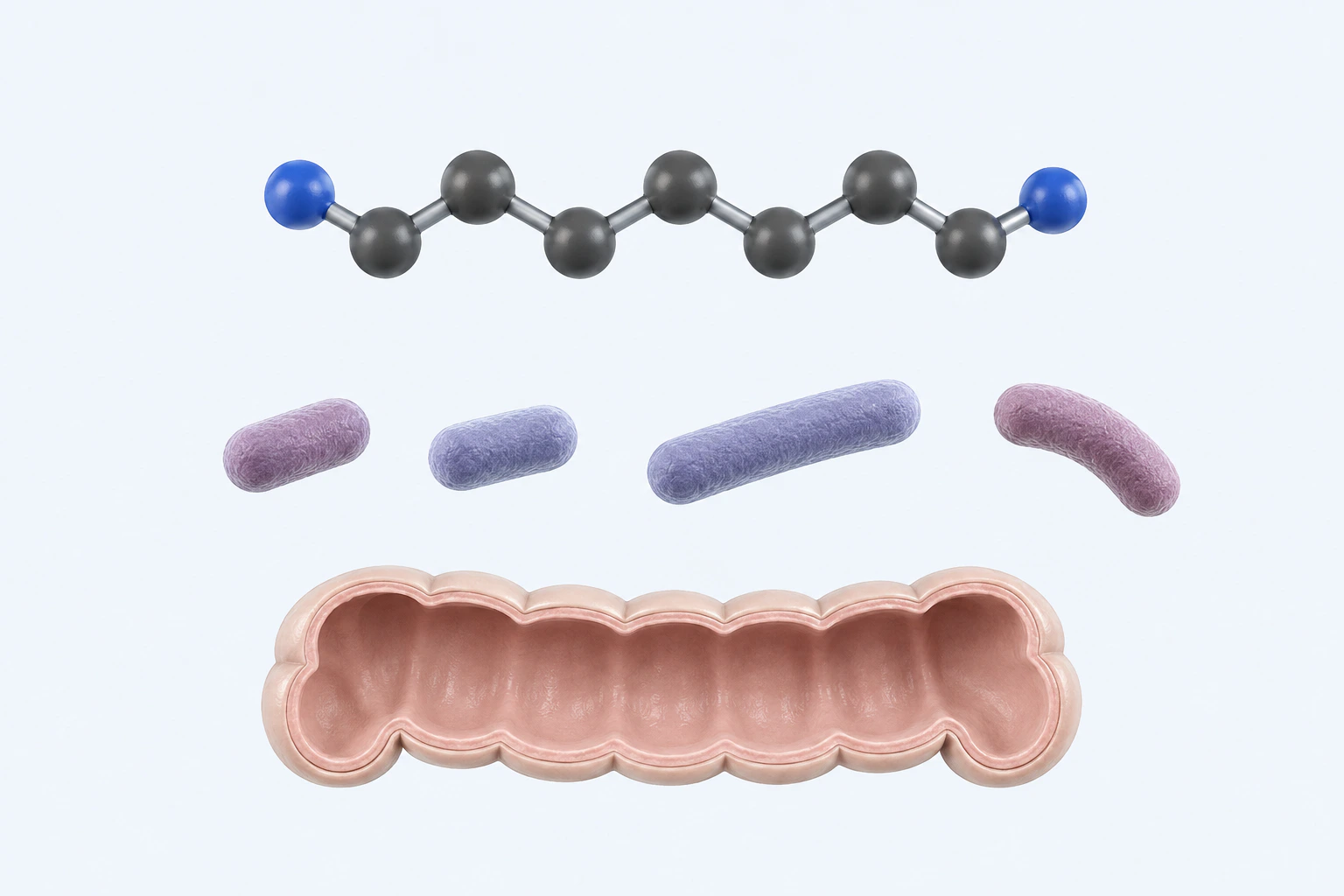
Cadaverine (1,5-diaminopentane) is a biogenic amine produced by bacterial lysine decarboxylase — primarily by Enterobacteriaceae, Fusobacterium, and Clostridium — during proteolytic fermentation of undigested protein in the distal colon. It is a product of putrefaction …
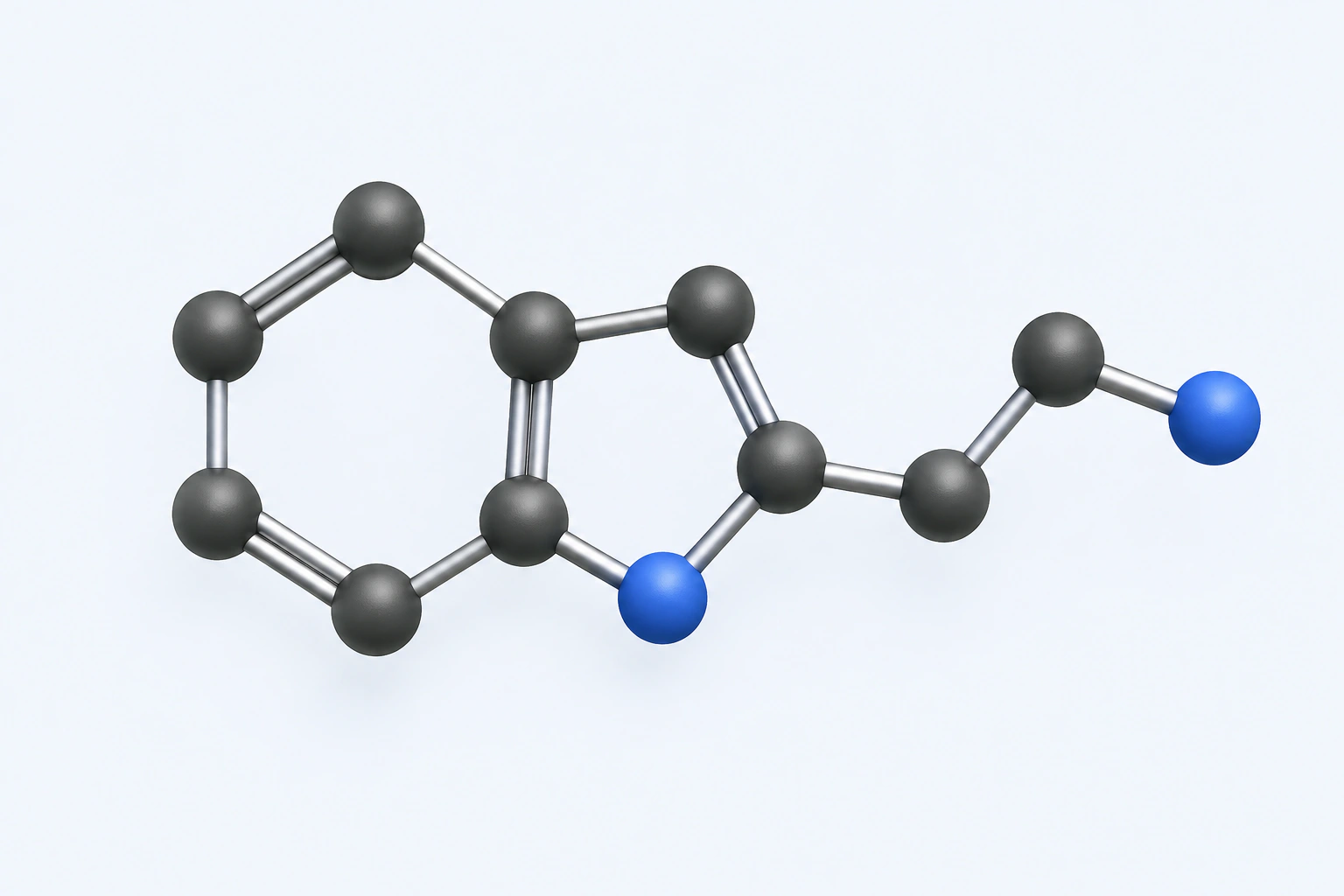
Tryptamine is a microbial decarboxylation product of tryptophan, produced by bacterial tryptophan decarboxylase (found in ruminococcus gnavus, Clostridium sporogenes, and others). It is a serotonin receptor agonist (particularly 5-HT4) that stimulates gut motility and f…