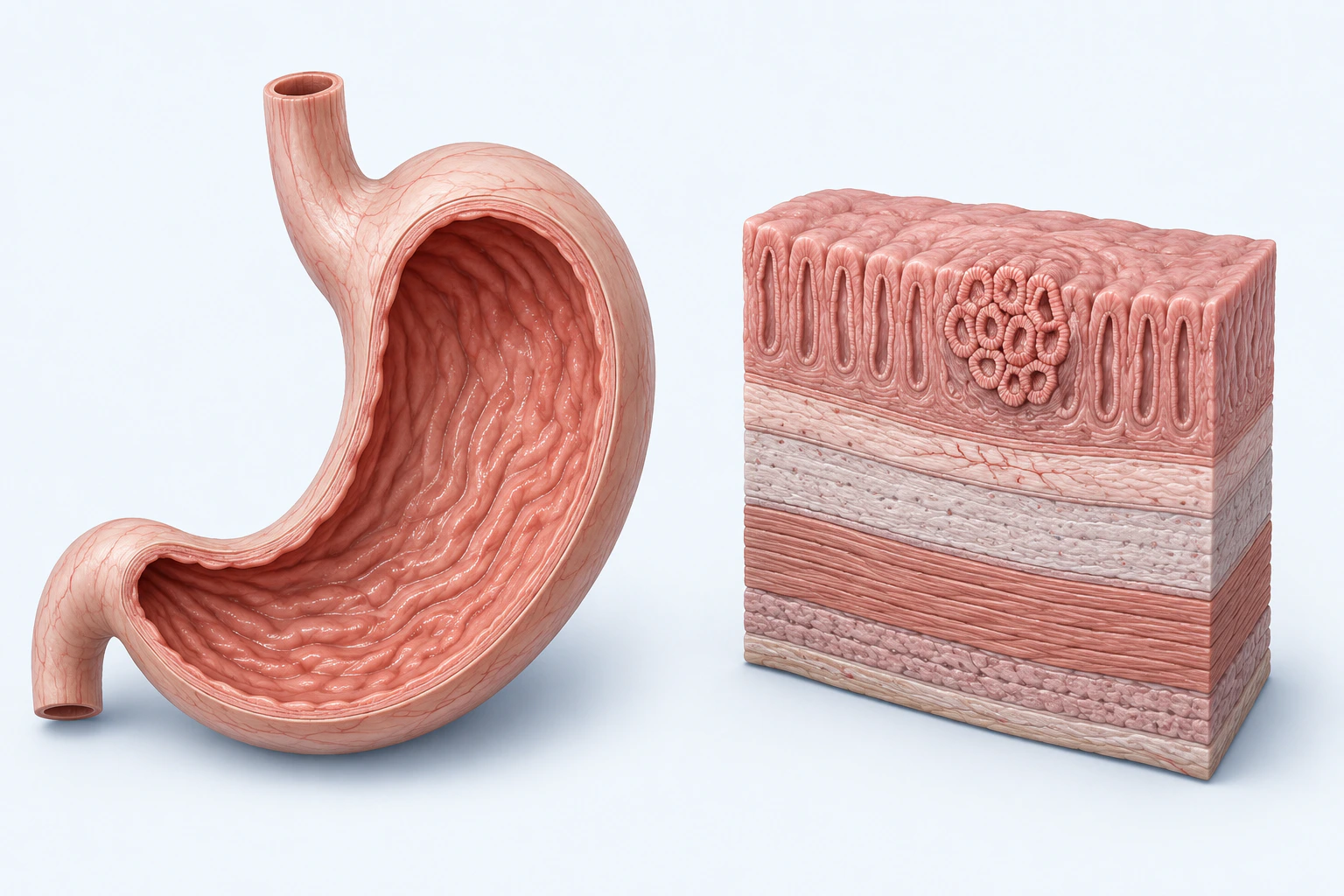
The most common malignancy of the stomach, accounting for over 95% of gastric cancers. helicobacter pylori infection is the strongest known risk factor, classified as a Group 1 carcinogen by IARC. In the metallomics framework, gastric adenocarcinoma reveals a striking d…
The fifth most common cancer worldwide and third leading cause of cancer death, with over 1 million new cases annually. Gastric cancer stands unique in this wiki as the disease where a single microorganism -- helicobacter pylori -- provides the dominant causal pathway, …
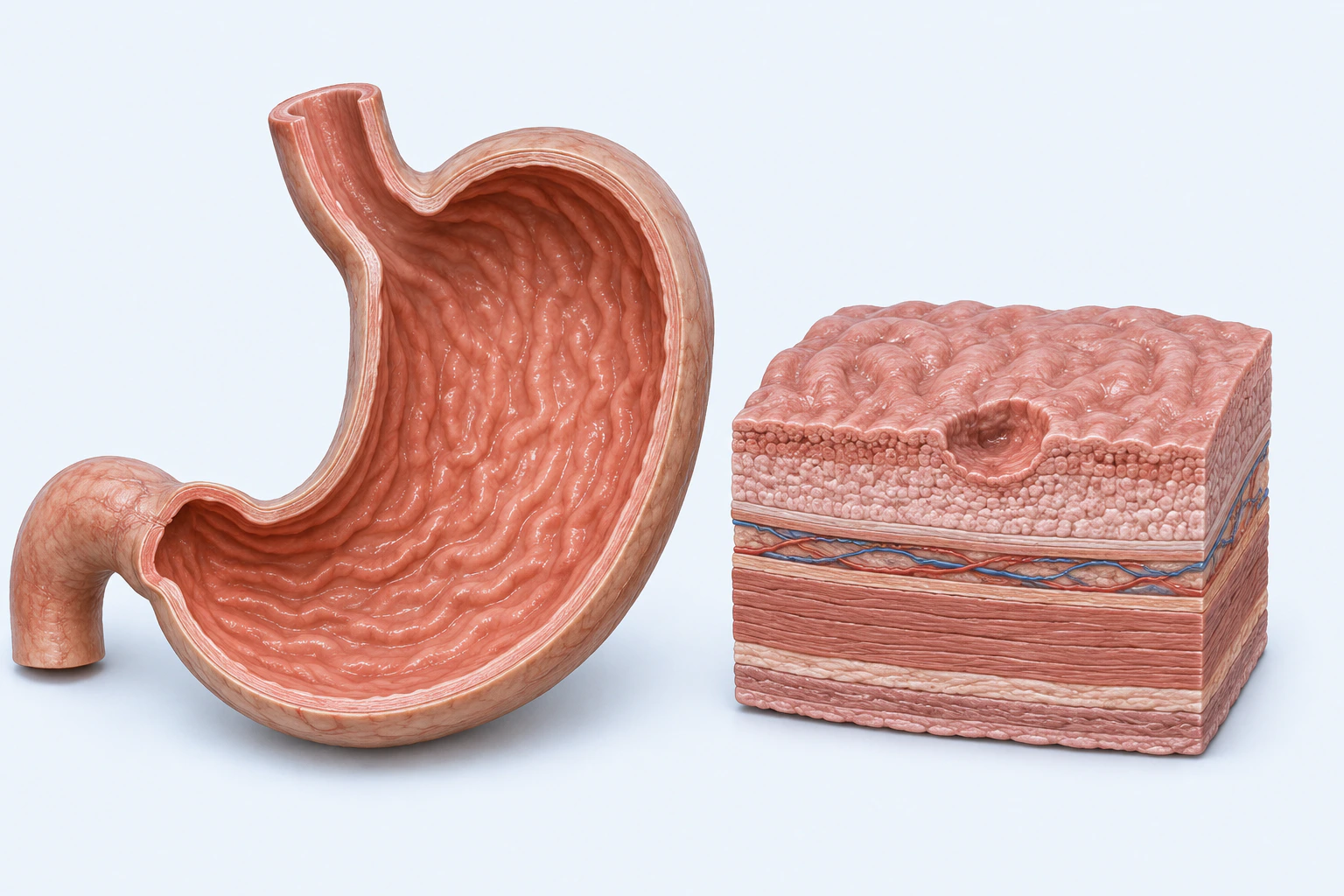
A breach in the gastric mucosal lining extending through the muscularis mucosae, most commonly caused by helicobacter pylori infection or chronic NSAID use. Gastric ulceration represents a critical node in the upper GI disease continuum, linking gerd, chronic gastritis,…
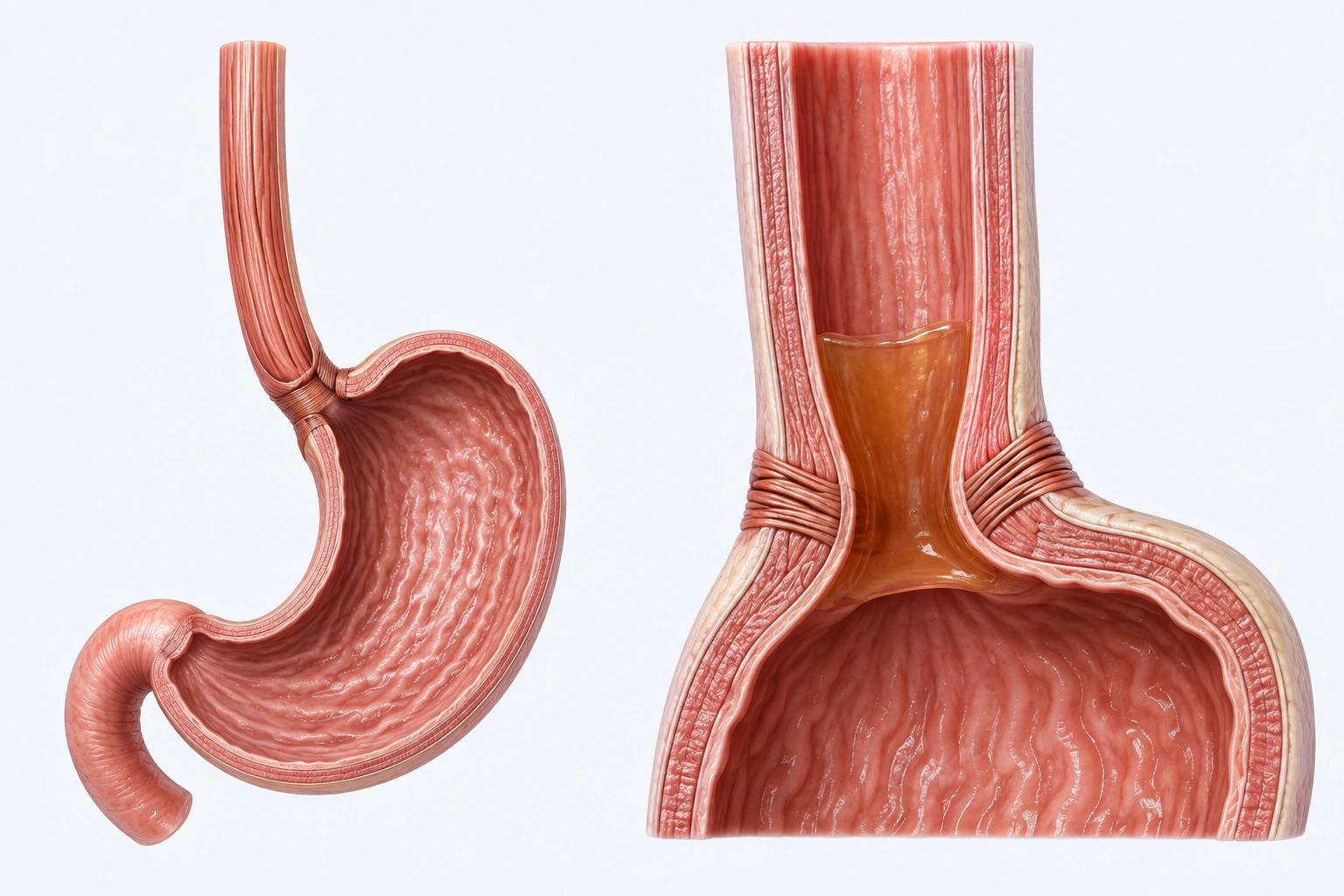
Gastroesophageal reflux disease (GERD) is a chronic condition in which stomach acid or bile flows back into the esophagus, causing mucosal damage and symptoms such as heartburn and regurgitation. Affecting approximately 20% of Western populations, GERD is conventionally…