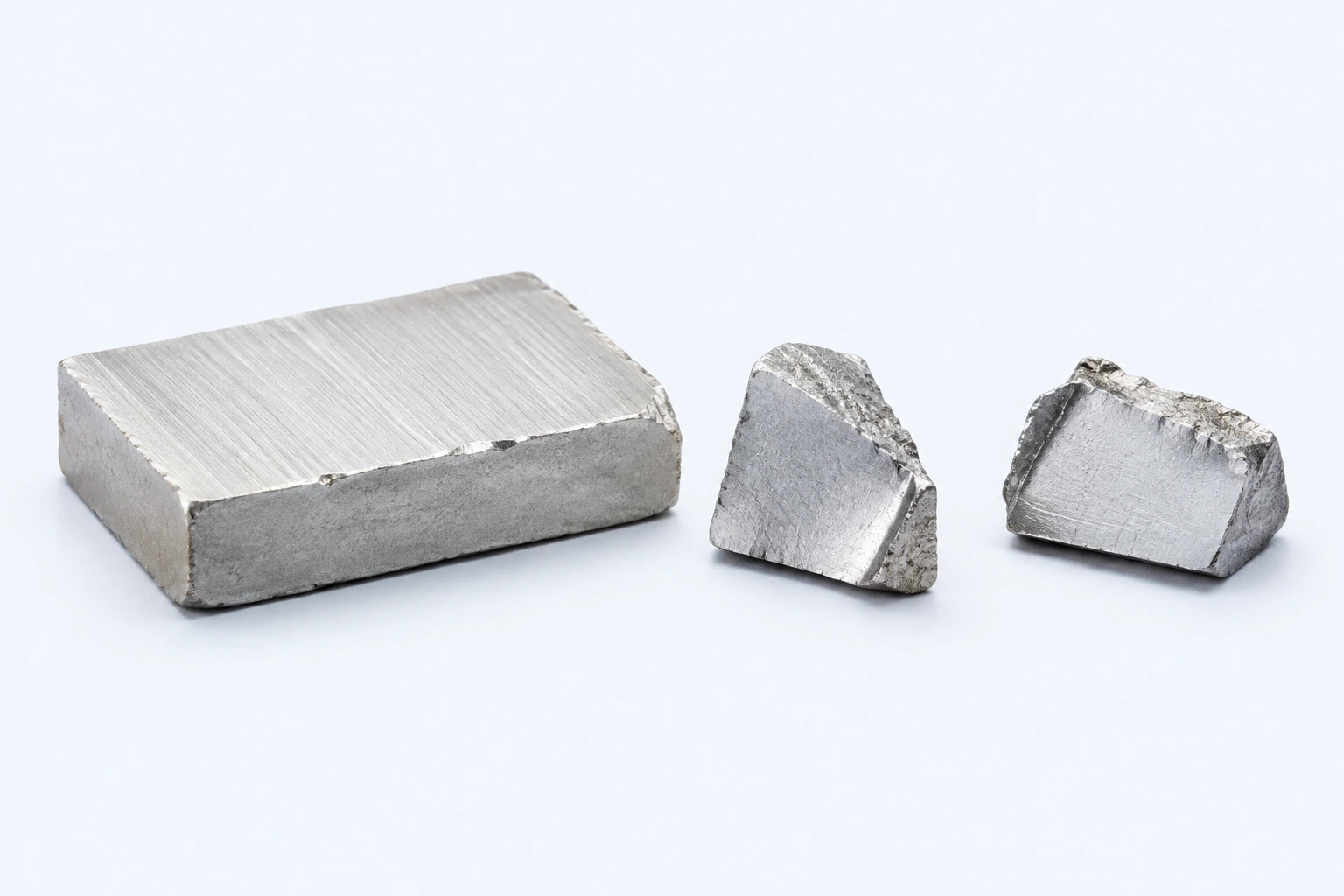
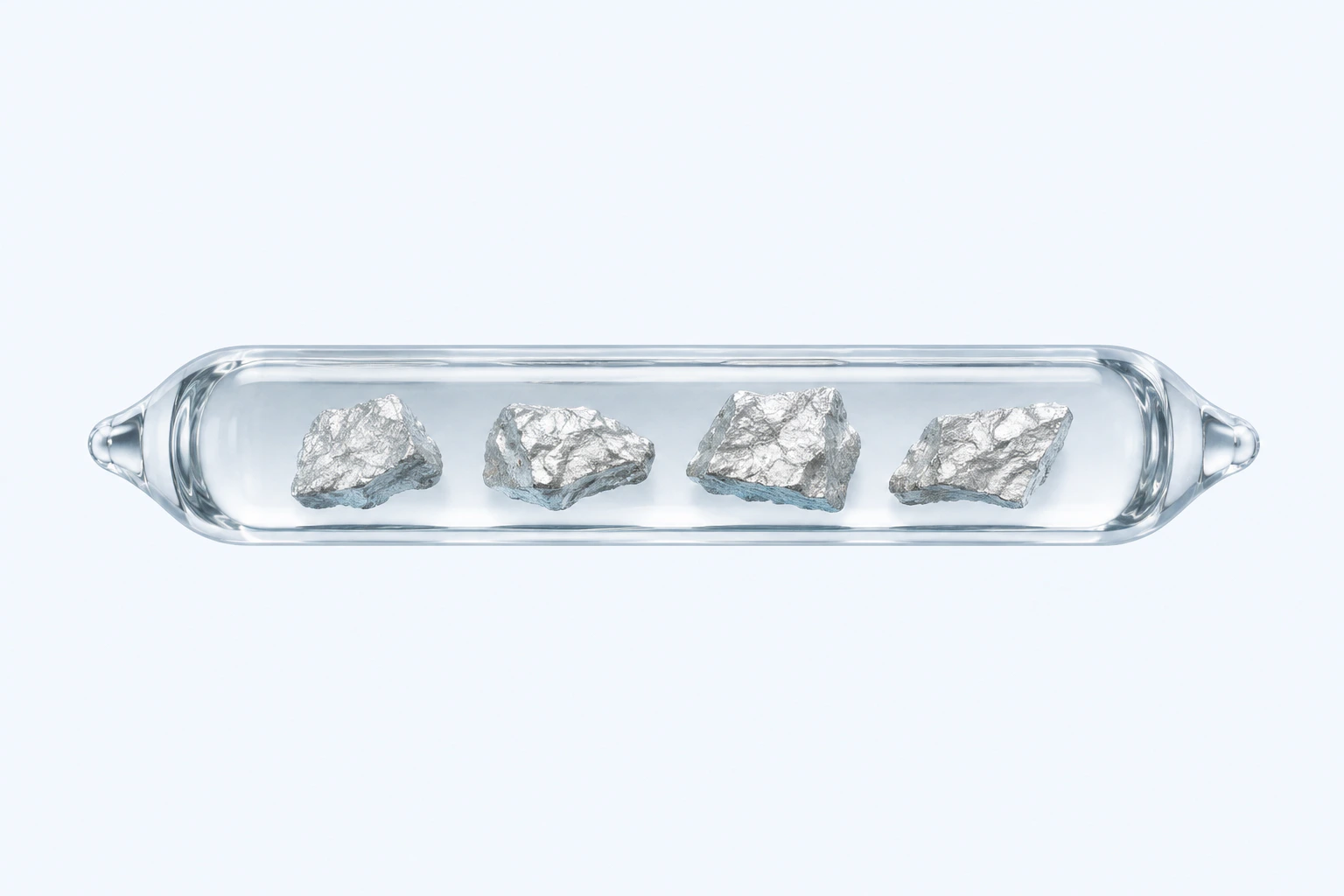
A non-essential metal and the most abundant metallic element in the Earth's crust. Unlike manganese, iron, or selenium, aluminum has no known biological function in humans. Its significance in metal toxicology stems from two major concerns: proven neurotoxicity at eleva…
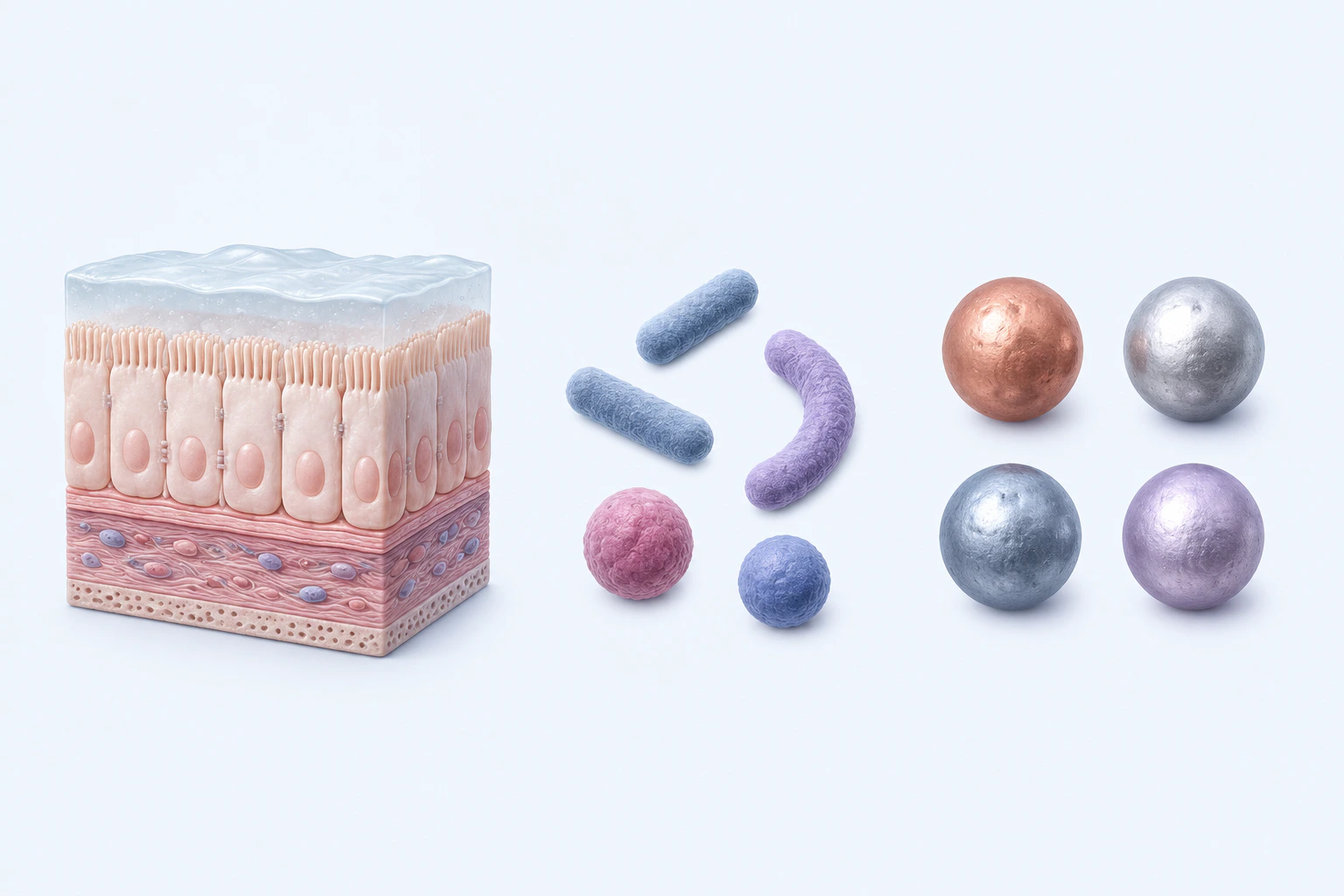
Every meal delivers metals to the gut lumen — essential minerals, trace elements, and contaminants alike. These metals do not passively transit the GI tract. They actively reshape the microbial ecosystem, selecting for metal-tolerant organisms, enabling virulence in met…
Parenteral nutrition (PN) -- the delivery of nutrients directly into the bloodstream via intravenous infusion -- is a life-saving intervention for patients who cannot absorb nutrition enterally. However, PN presents unique challenges for the metal-microbiome axis: it in…