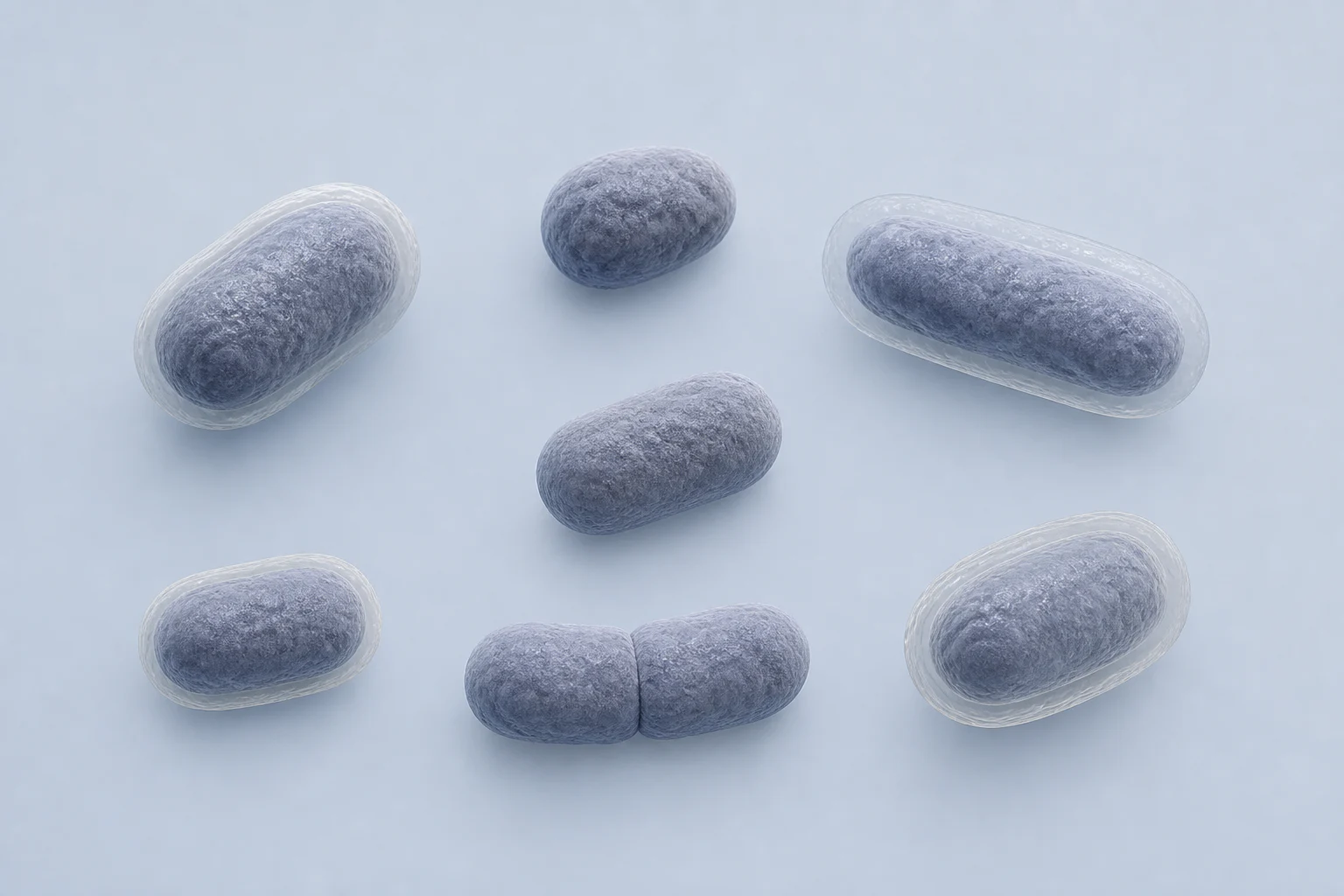
Bacteroides is the most abundant genus in the Western adult gut and a cornerstone of intestinal polysaccharide metabolism. As members of the bacteroidetes phylum, Bacteroides species encode enormous repertoires of carbohydrate-active enzymes (CAZymes) organized into pol…
A Gram-negative obligate anaerobe and the most clinically significant member of the Bacteroides genus. B. fragilis occupies a unique dual position in gut microbiology: as a non-toxigenic commensal (NTBF), it produces polysaccharide A (PSA) that shapes immune tolerance; …
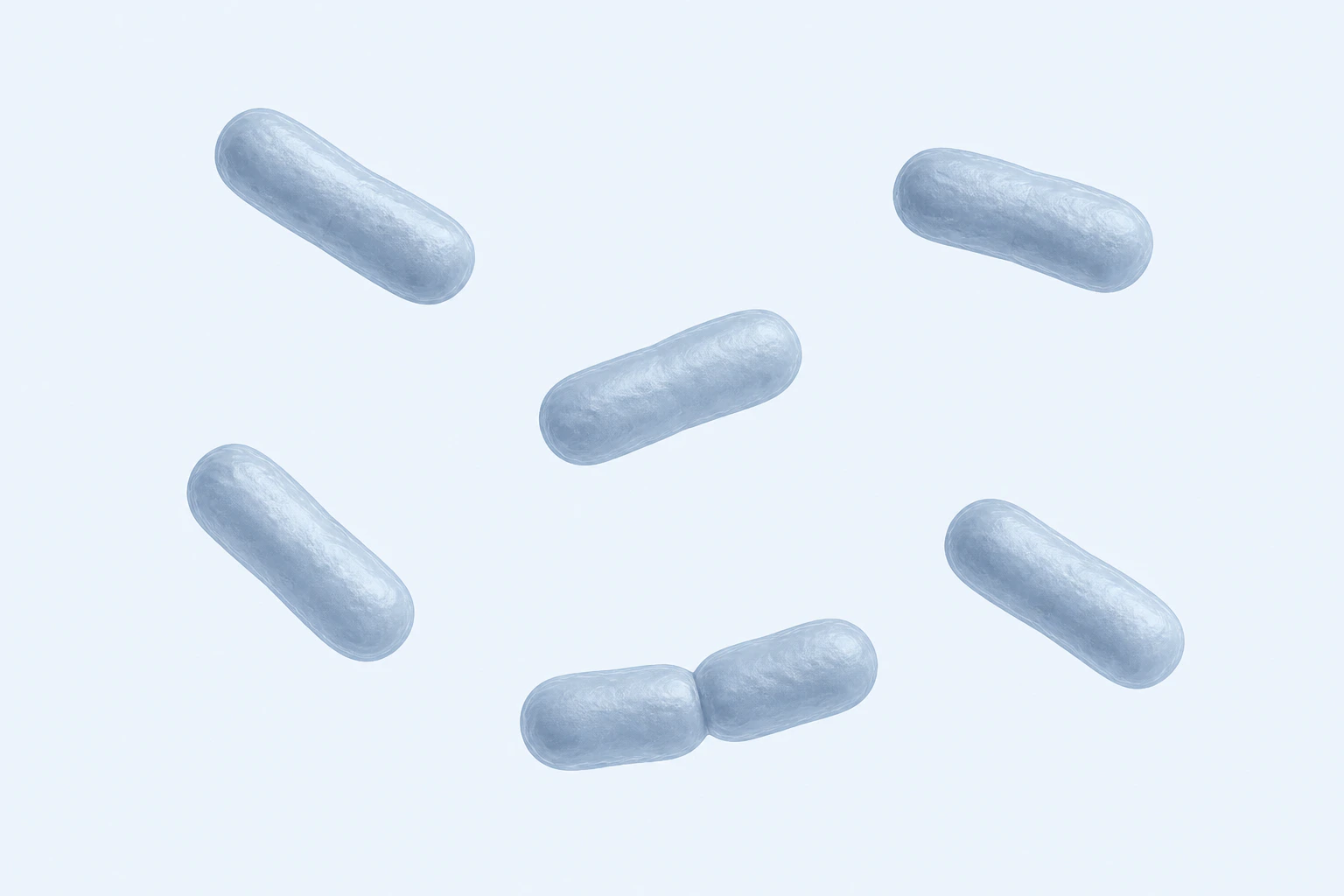
Bifidobacterium breve is a Gram-positive, obligate anaerobic species within the phylum Actinobacteria, predominantly found in the infant gut and breast milk. It is among the earliest colonizers of the neonatal intestine and plays a key role in human milk oligosaccharide…
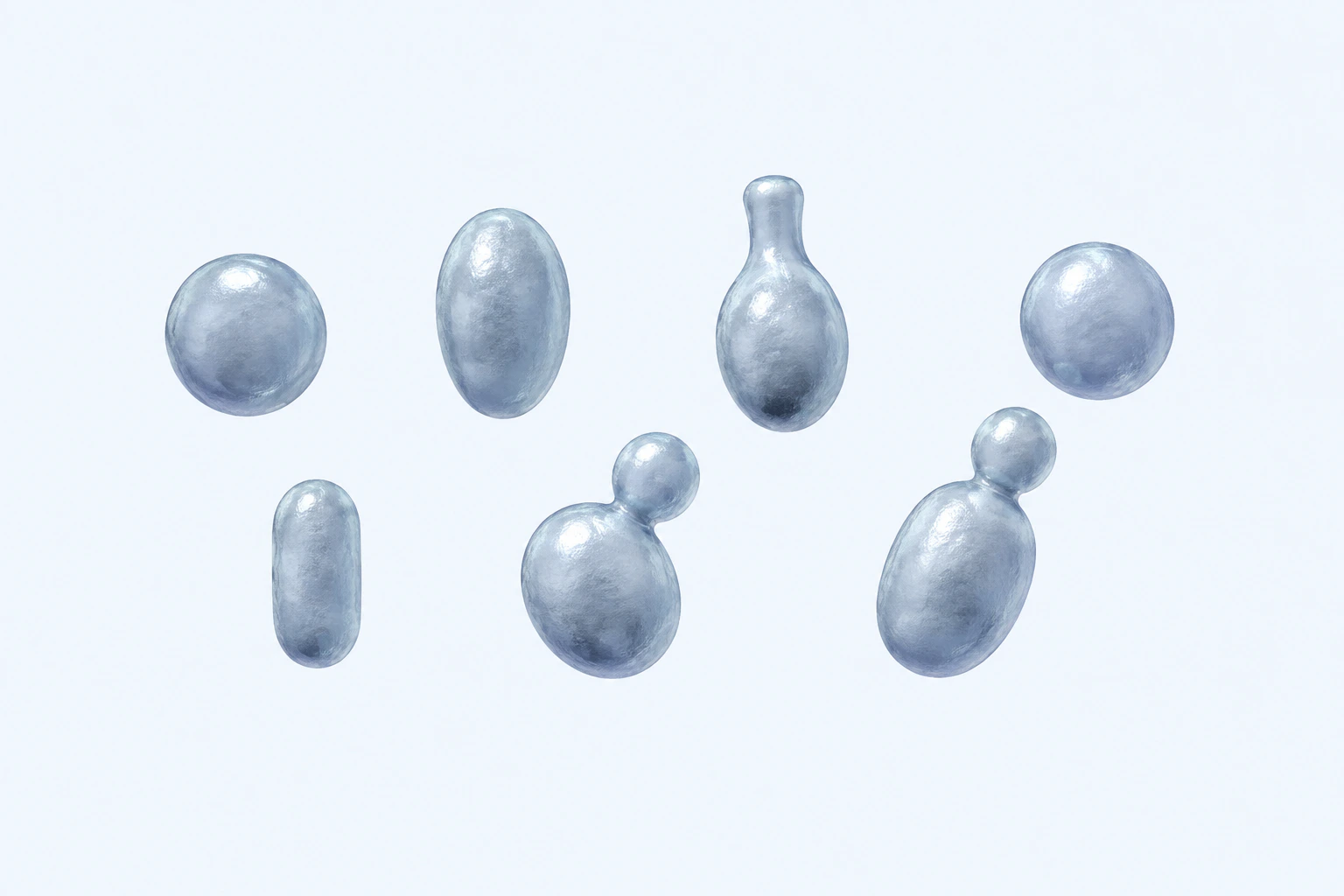
A genus of lipophilic basidiomycete yeasts that is the dominant fungus on human skin and has recently been recognized as a significant component of the gut mycobiome. M. restricta, M. globosa, and M. furfur are the primary species. Originally studied as the cause of dan…
Streptococcus thermophilus is a Gram-positive, facultative anaerobic coccus that is the primary probiotic species used in commercial yogurt fermentation and thermophilic dairy fermentation worldwide. Distinct from pathogenic Streptococcus species, S. thermophilus produc…
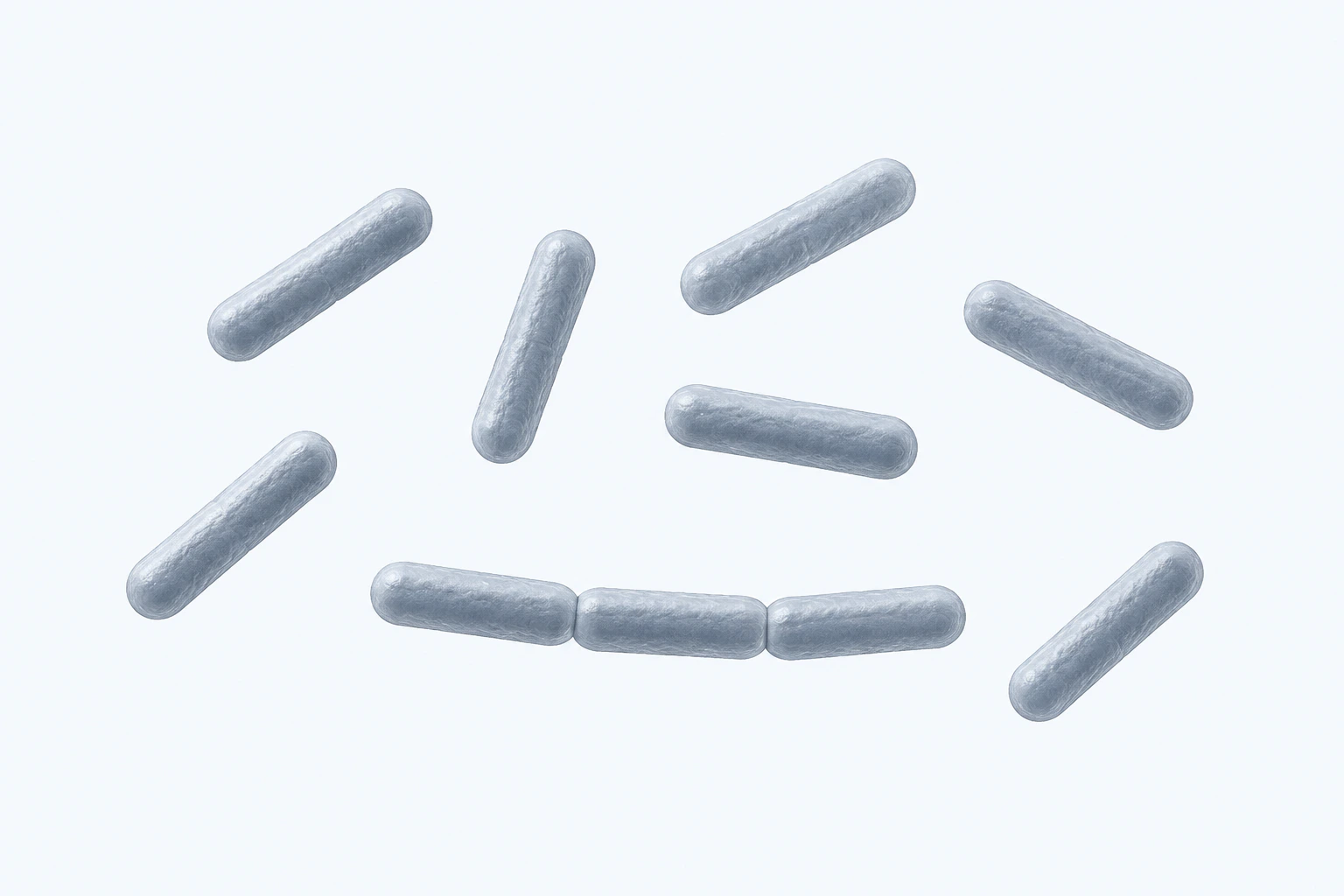
A Gram-positive, facultatively anaerobic genus within the class Erysipelotrichia (phylum Firmicutes) that has become one of the most frequently identified taxa in gut-brain and gut-immune Mendelian randomization studies. Turicibacter sanguinis, the type species, possess…