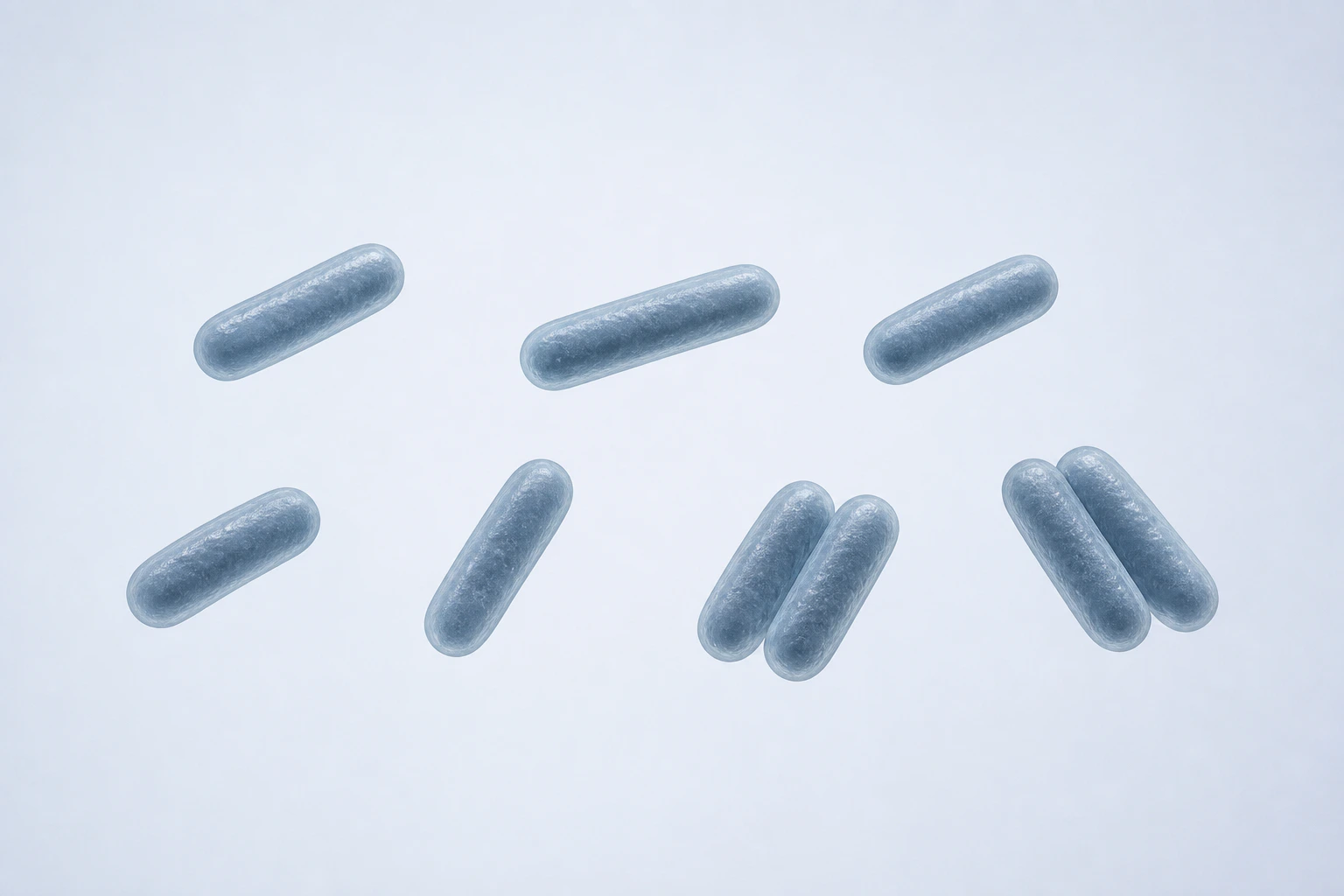
Faecalibacterium is a genus of obligate anaerobic, Gram-positive bacteria in the family Ruminococcaceae (phylum Firmicutes). It is the most abundant genus in the healthy human colon (5–15% of fecal bacteria) and its depletion is the single most reproducible microbiome f…
The most abundant bacterium in the healthy human colon (5-15% of total fecal microbiota), F. prausnitzii is the premier butyrate producer in the gut and a cornerstone of anti-inflammatory intestinal homeostasis. Its depletion is one of the most consistent microbiome sig…
A genus of Gram-positive, obligate anaerobic bacteria within the Firmicutes phylum that includes several of the most important butyrate producers in the human colon. Key species are E. rectale, E. hallii (now reclassified as Anaerobutyricum hallii), and E. limosum. Cons…
A Gram-positive, obligate anaerobic genus within the Firmicutes phylum (family Oscillospiraceae or Ruminococcaceae depending on classification) that possesses a unique metabolic capability: butyrate production from lysine fermentation rather than from dietary fiber. Thi…
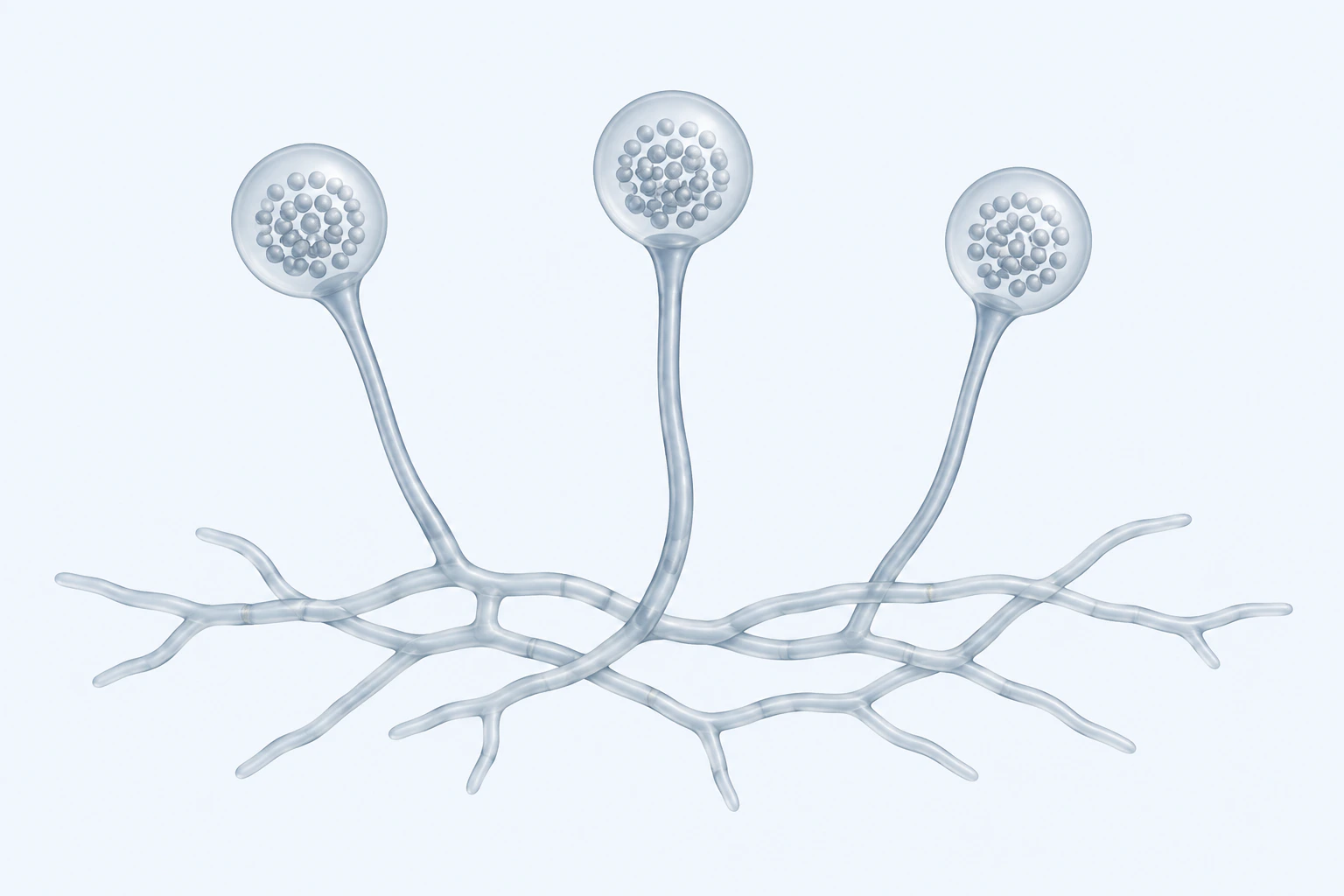
Mortierella is a genus of soil-dwelling fungi in the phylum Mortierellomycota (formerly placed in Zygomycota). While primarily known as environmental saprotrophs, Mortierella species have recently been identified as residents of the human gut mycobiome -- the fungal com…
Ruminococcaceae is a family of obligate anaerobic, Gram-positive bacteria in the order Clostridiales (phylum Firmicutes) that represents one of the most important butyrate-producing and fiber-degrading families in the human gut. Key genera include faecalibacterium (incl…