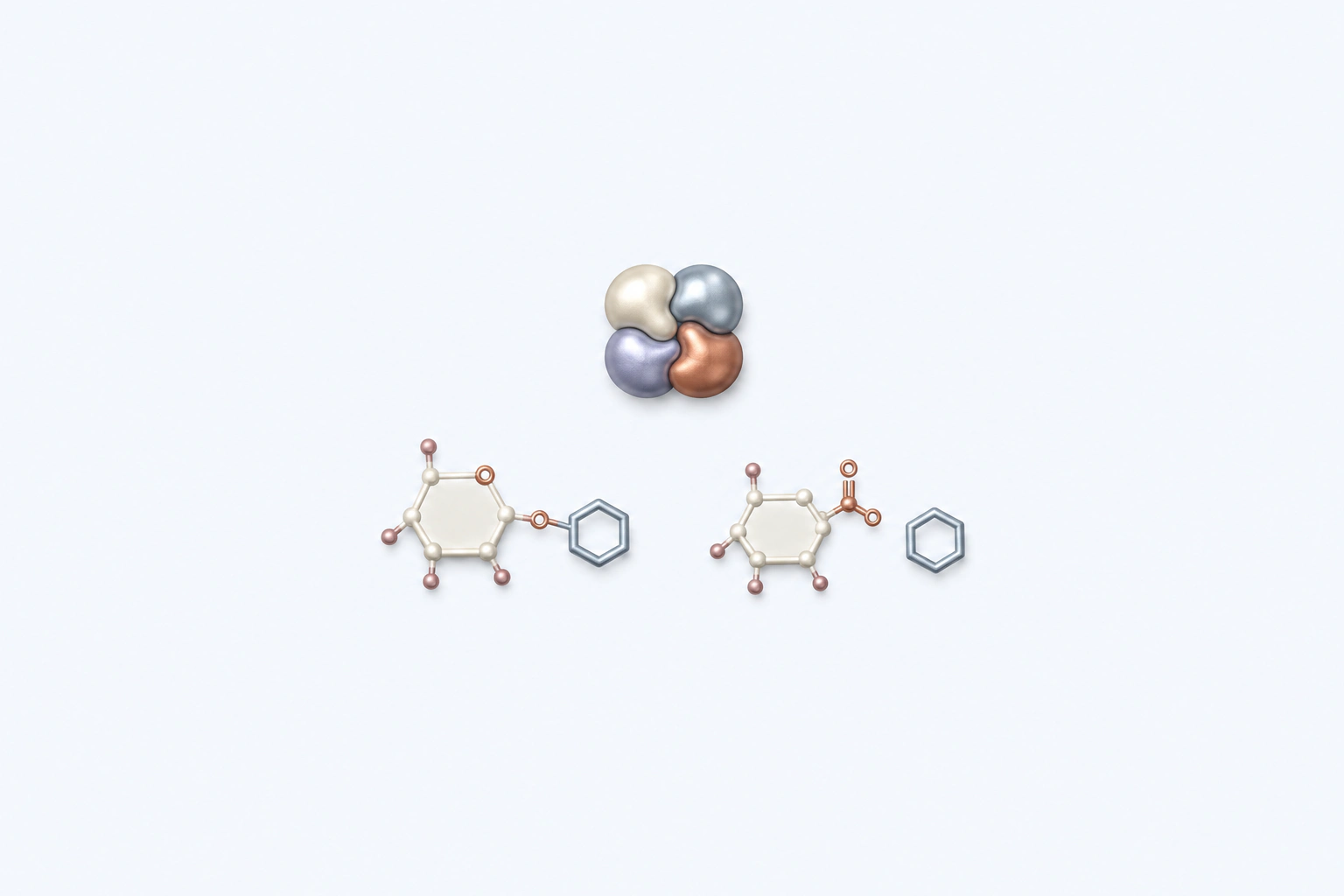
Beta-glucuronidase (β-glucuronidase, EC 3.2.1.31) is an enzyme that catalyzes the hydrolysis of glucuronidated compounds, cleaving the β-1,4-glycosidic bond between a sugar and a glucuronic acid group. In the microbiome, beta-glucuronidase is the key enzyme of the estro…
Lipopolysaccharide (LPS), also called endotoxin, is a major structural component of the outer membrane of Gram-negative bacteria. When released into circulation through a compromised gut barrier, LPS triggers potent inflammatory signaling via Toll-like receptor 4 (TLR4)…
The outer membrane (OM) is the defining structural feature of Gram-negative bacteria, providing a permeability barrier that profoundly influences metal acquisition, antibiotic resistance, immune activation, and virulence. For the microbiome-metal axis, the outer membran…
Peptidoglycan (murein) is the polymer of N-acetylglucosamine and N-acetylmuramic acid cross-linked by short peptides that forms the bacterial cell wall. It is a major pathogen-associated molecular pattern (PAMP) recognized by host TLR2 (intact peptidoglycan), NOD1 (meso…
Zinc-metalloproteases are a large and functionally diverse family of proteolytic enzymes requiring zinc (Zn²⁺) in the active site for catalytic activity. They cleave peptide bonds in proteins, causing tissue destruction, immune evasion, and bacterial dissemination. Majo…