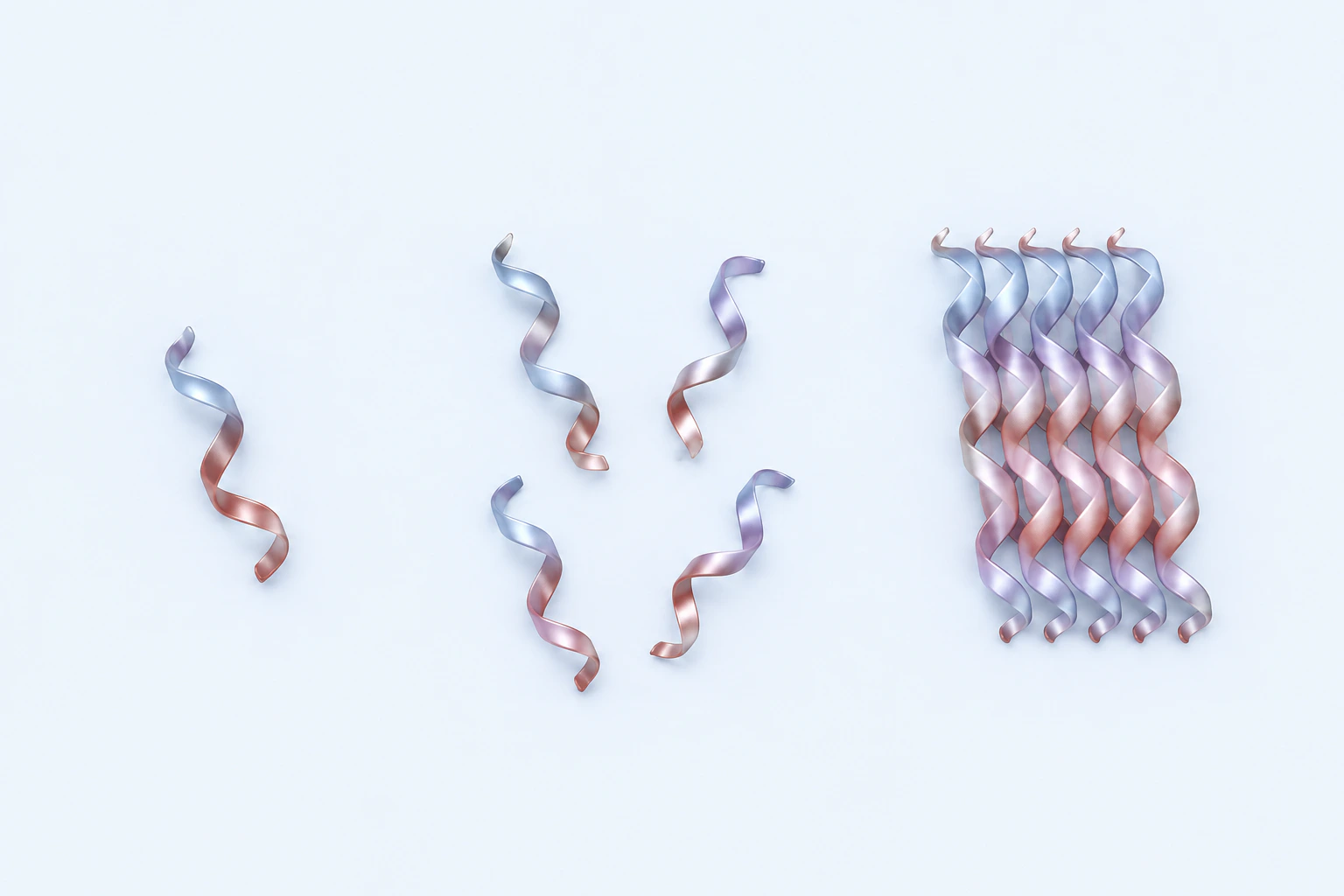
The process by which soluble amyloid-beta (Aβ) monomers assemble into neurotoxic oligomers and insoluble fibrillar plaques in the brain -- the defining neuropathological event of alzheimers disease. What distinguishes WikiBiome's treatment of this process from conventio…
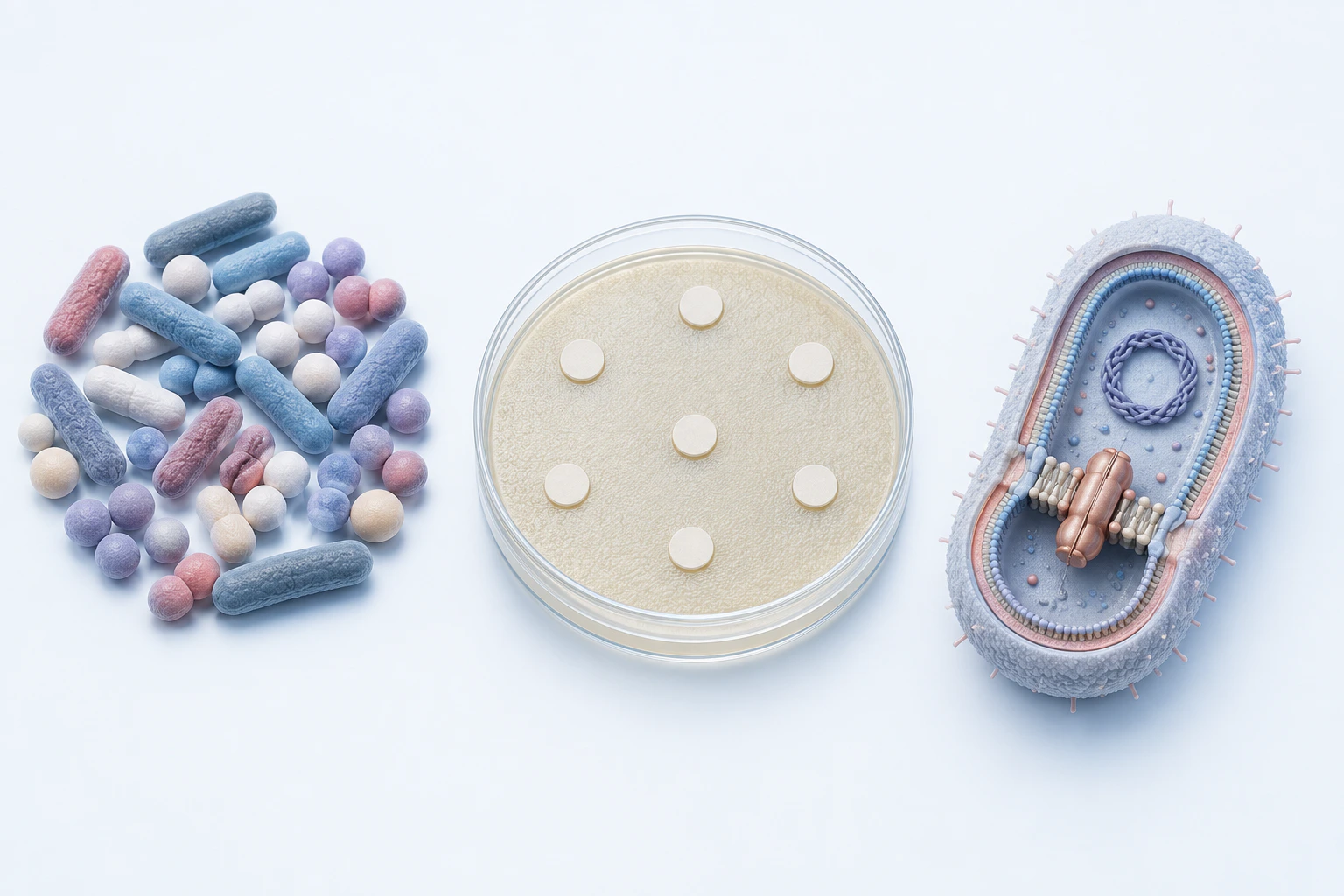
The ability of microorganisms to survive and replicate in the presence of antimicrobial agents — antibiotics, antifungals, antivirals, antiparasitic drugs — at concentrations that would normally inhibit or kill them. Antimicrobial resistance (AMR) is designated by the W…
Chelation therapy uses molecules with high affinity for specific metal ions to form stable, excretable complexes, removing toxic metals from the body. The word derives from Greek "chele" (claw) -- the chelator grips the metal ion at multiple coordination sites. While ch…
A metal ion that activates estrogen receptors and mimics the biological effects of estradiol. Metalloestrogens represent a distinct class of endocrine-disrupting compounds where the active agent is an inorganic metal rather than an organic xenoestrogen like BPA or phtha…
nickel is the most frequent cause of contact allergy worldwide. Once sensitized, the allergic reaction persists indefinitely and can be triggered by both cutaneous and dietary exposure.
Vancomycin is a glycopeptide antibiotic targeting Gram-positive bacteria by binding D-Ala-D-Ala of peptidoglycan precursors. It is the last-resort treatment for MRSA and oral vancomycin is first-line for severe clostridioides difficile infection. In the WikiBiome framew…